SeamlessHR · Mar 2022 – Mar 2025
SeamlessHiring 2.0
Recruitment Management System (RMS)
Rebuilding fragmented recruiting workflows into a scalable hiring operating system.
SeamlessHiring began as a fragmented recruitment add-on that broke under scale during a high-volume graduate hiring programme. The redesign focused on restoring workflow trust, restructuring the hiring lifecycle, and repositioning RMS from a low-cost add-on into a scalable, enterprise-priced product across local and international markets.
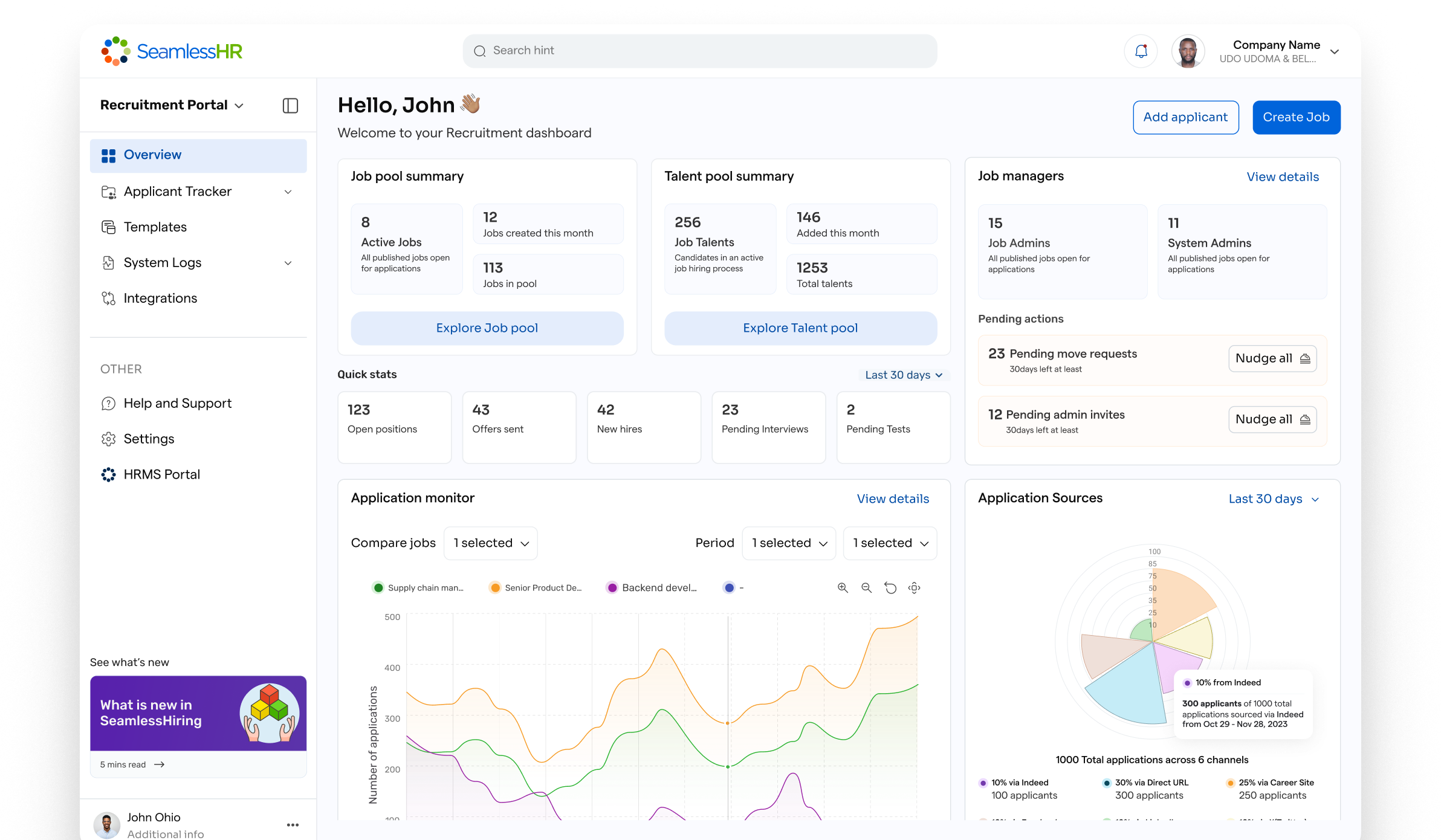
UX strategy
Workflow architecture
AI-layered experience design
Delivery implementation
- ·Phased modernization over full replacement
- ·Workflow-first UX
- ·Evidence-led research before wireframes
02 Core Tensions
What was broken
Three systemic failures that made redesign unavoidable — not isolated interface issues, but structural breakdowns that prevented the system from supporting enterprise hiring at scale.
Recruiters were abandoning core tasks mid-flow and coordinating outside the system — creating invisible work and audit gaps that compounded with every new hire.
Interview scoring was informal and undocumented, leaving hiring decisions without a defensible trail — a consistency and legal exposure risk at enterprise scale.
Legacy RBAC could not support multi-entity client realities, forcing manual CS workarounds and capping how large the platform could sell.
The system before redesign
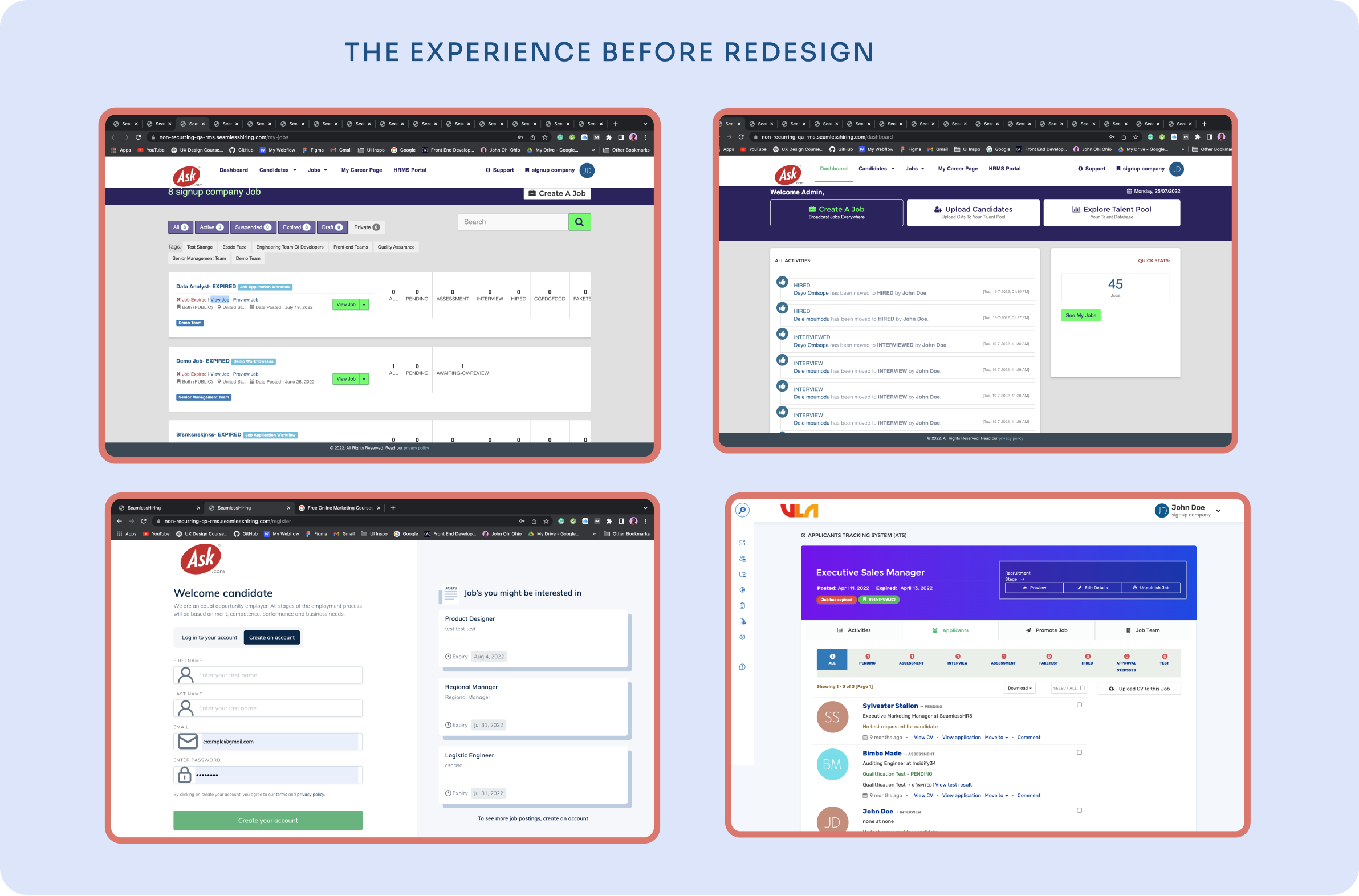
Figure B — Navigation misrouted core tasks, evaluation had no system surface, and permission models blocked enterprise use cases.
- ·01 — Workflow collapse: 'Requests' button routed to application history, not the application form — the primary recruiter action was buried behind the wrong entry point
- ·02 — Evaluation without structure: no scoring or assessment surface existed inside the system — evaluation happened in spreadsheets and email threads outside SeamlessHiring entirely
- ·03 — Permission model: rigid access control could not accommodate multi-entity enterprise clients — every new onboarding required manual CS intervention
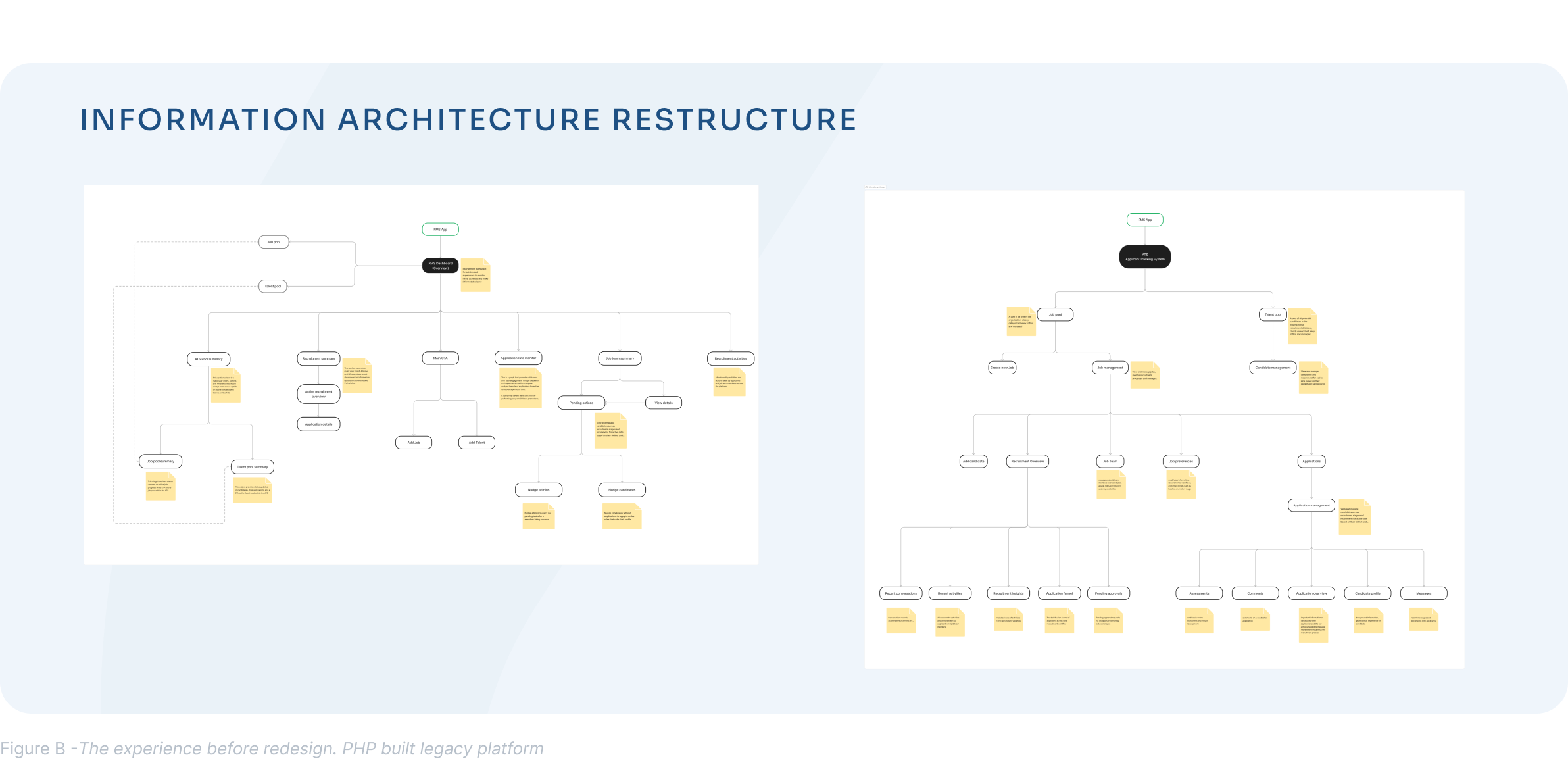
Figure C — Restructured the product around recruiter and applicant journeys before interface work — separating legacy constraints from the target hiring lifecycle.
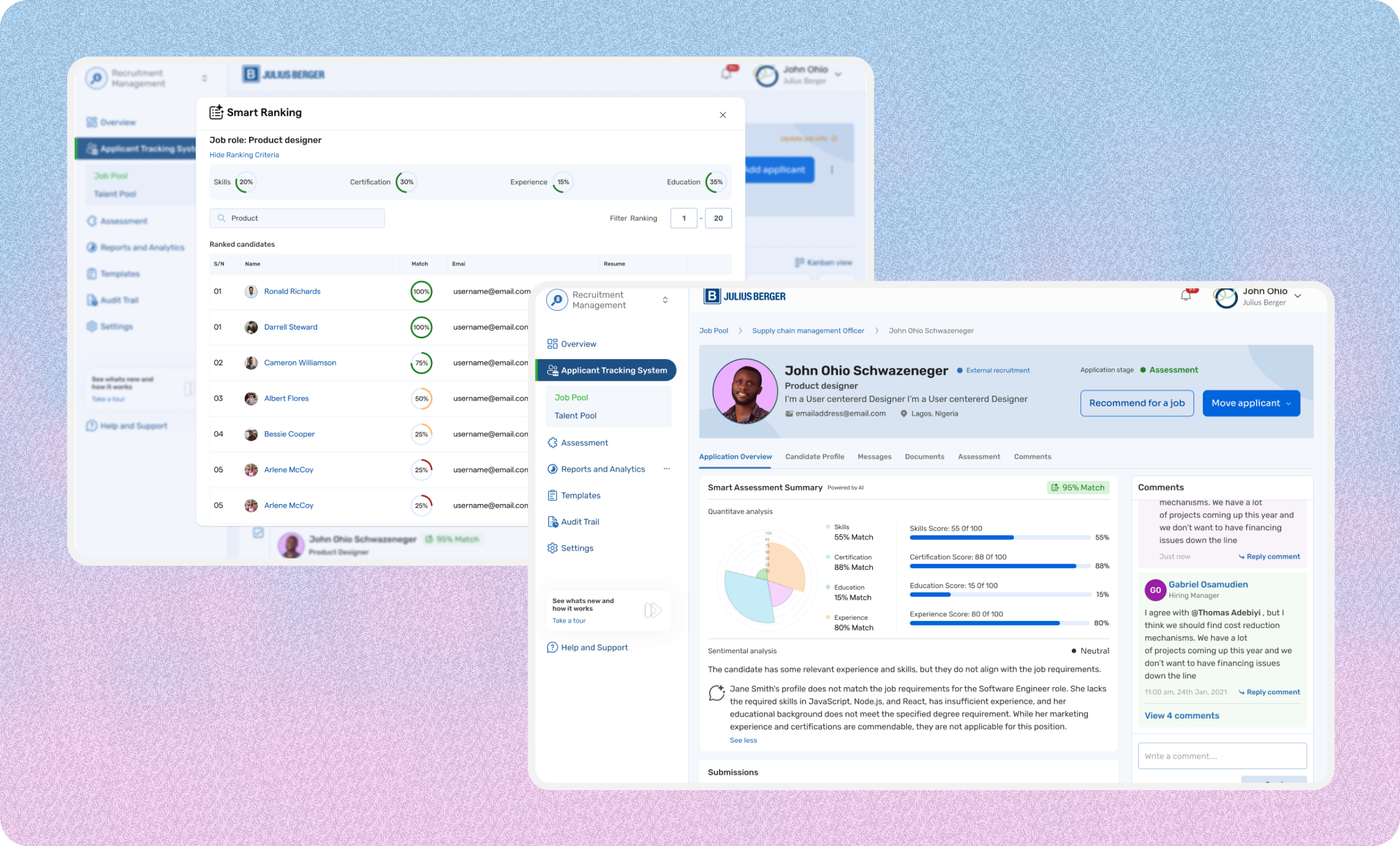
Figure D — The redesign spanned three years across five phases — with an AI-powered layer added only after workflow trust was restored.
Phase I — Stabilize
Job creation was inconsistent across hiring managers — no shared templates, no structured input model, and errors compounding downstream in the pipeline before a role even reached applicants.
Guided job creation templates standardizing inputs and enforcing required fields before a role was published to the applicant-facing system.
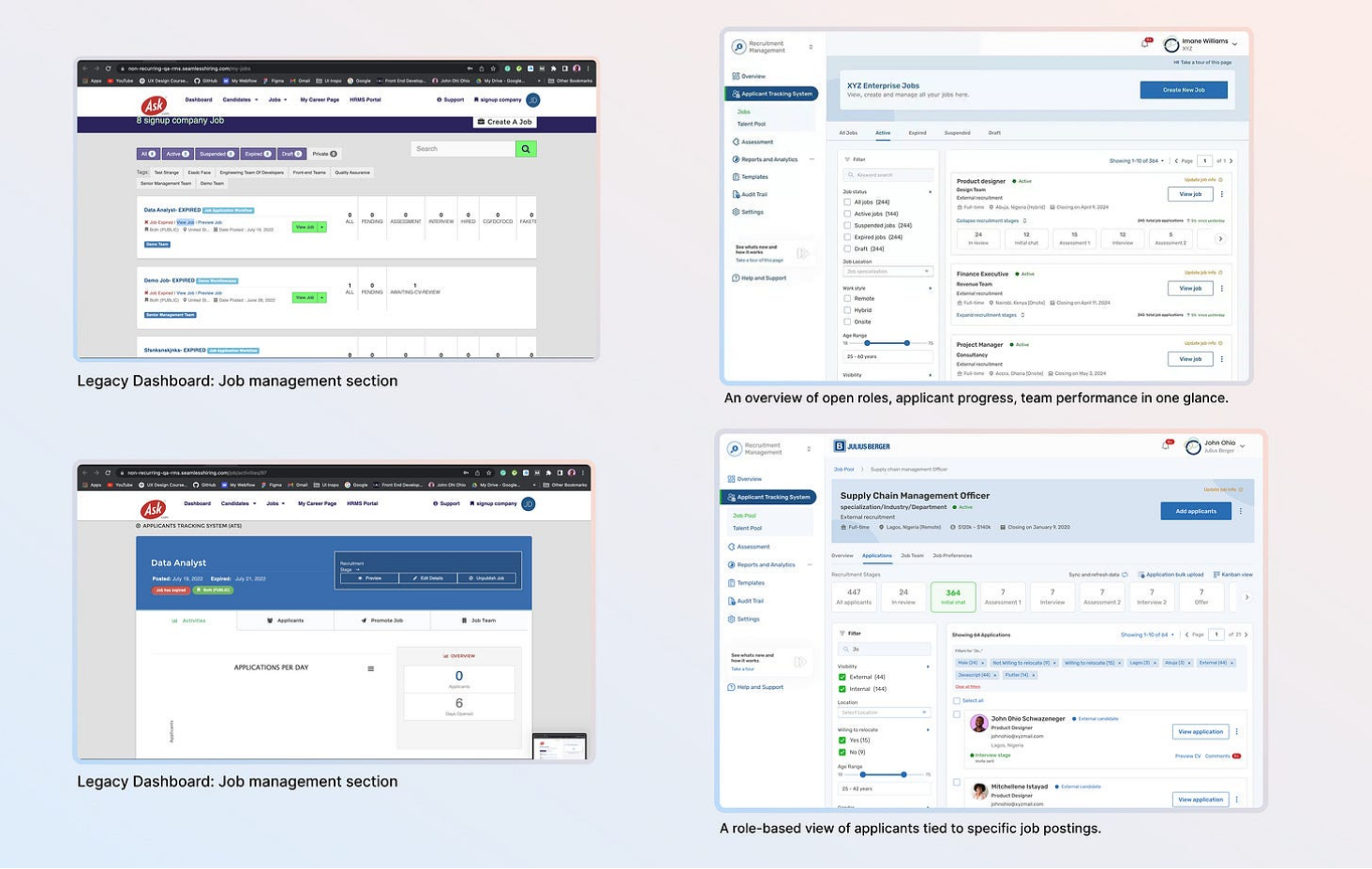
Figure 01 — Standardized job creation through guided templates that reduced setup friction and improved consistency across hiring teams before a role enters the pipeline.
- ·Template-first approach chosen over form validation alone — structure at entry prevents downstream reconciliation work
- ·Required fields enforced at creation stage, not mid-application — eliminating a class of errors that only surfaced after applicant submission
Phase II — Streamline
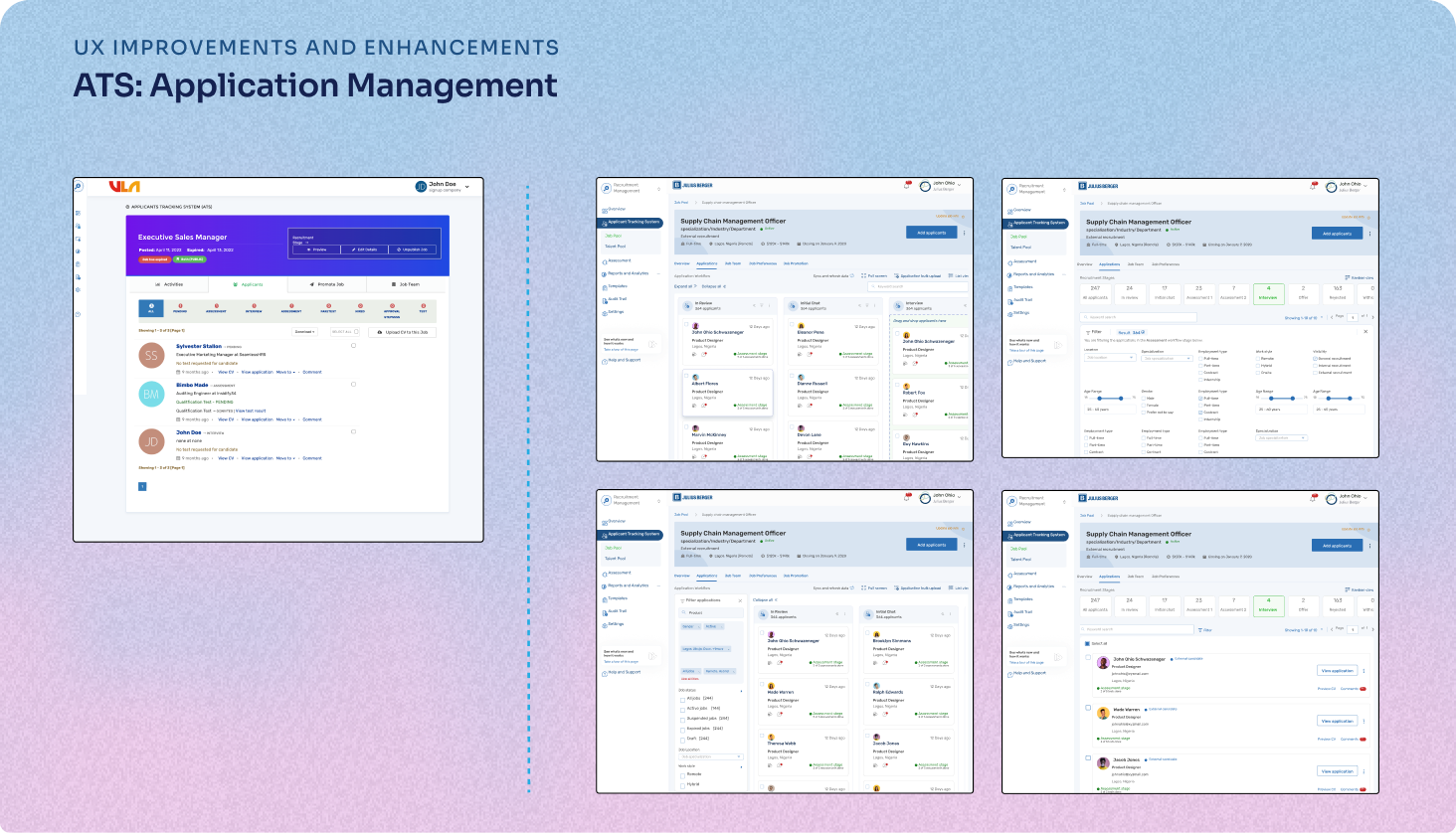
Applicants were abandoning mid-flow with no recovery path and no visibility into what would be required of them until they were already partially through the application.
Application journey reframed around completion confidence — required documents surfaced at the start, persistent progress state visible throughout.
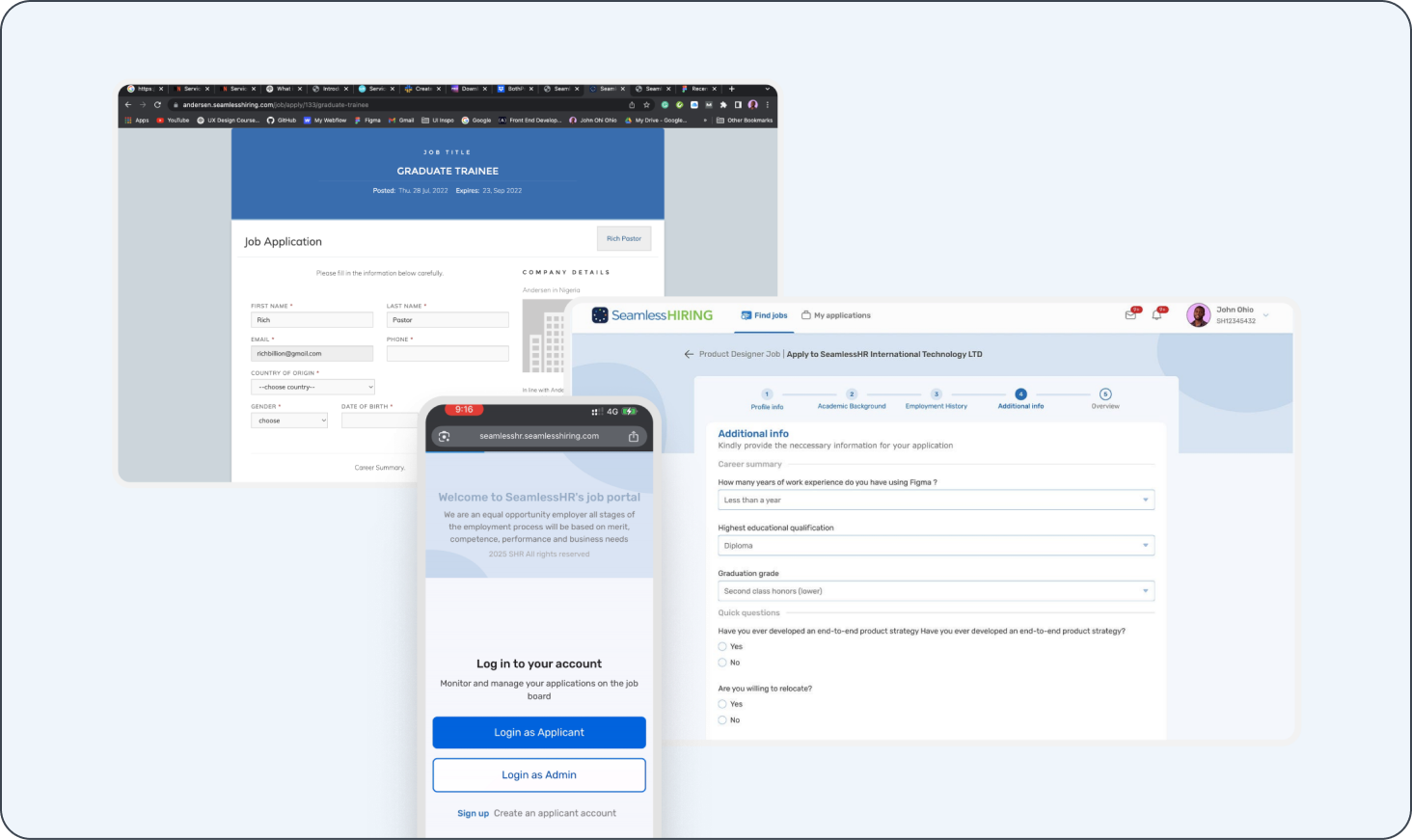
Figure 02 — Reframed the application journey to eliminate abandonment and support higher-volume candidate processing without recruiter intervention.
- ·Progress indicator placed at top of flow, not in sidebar — reduces cognitive load without adding navigation complexity
- ·Required documents shown at start, not mid-application — directly removing the surprise abandonment pattern visible in FullStory session recordings
Phase III — Structure
Interview scoring was informal and undocumented. Evaluation lived in spreadsheets and email threads outside the system, leaving hiring decisions without a defensible trail.
Structured evaluation workflows with a shared scoring rubric, documentation trail, and consolidated recruiter action surface.
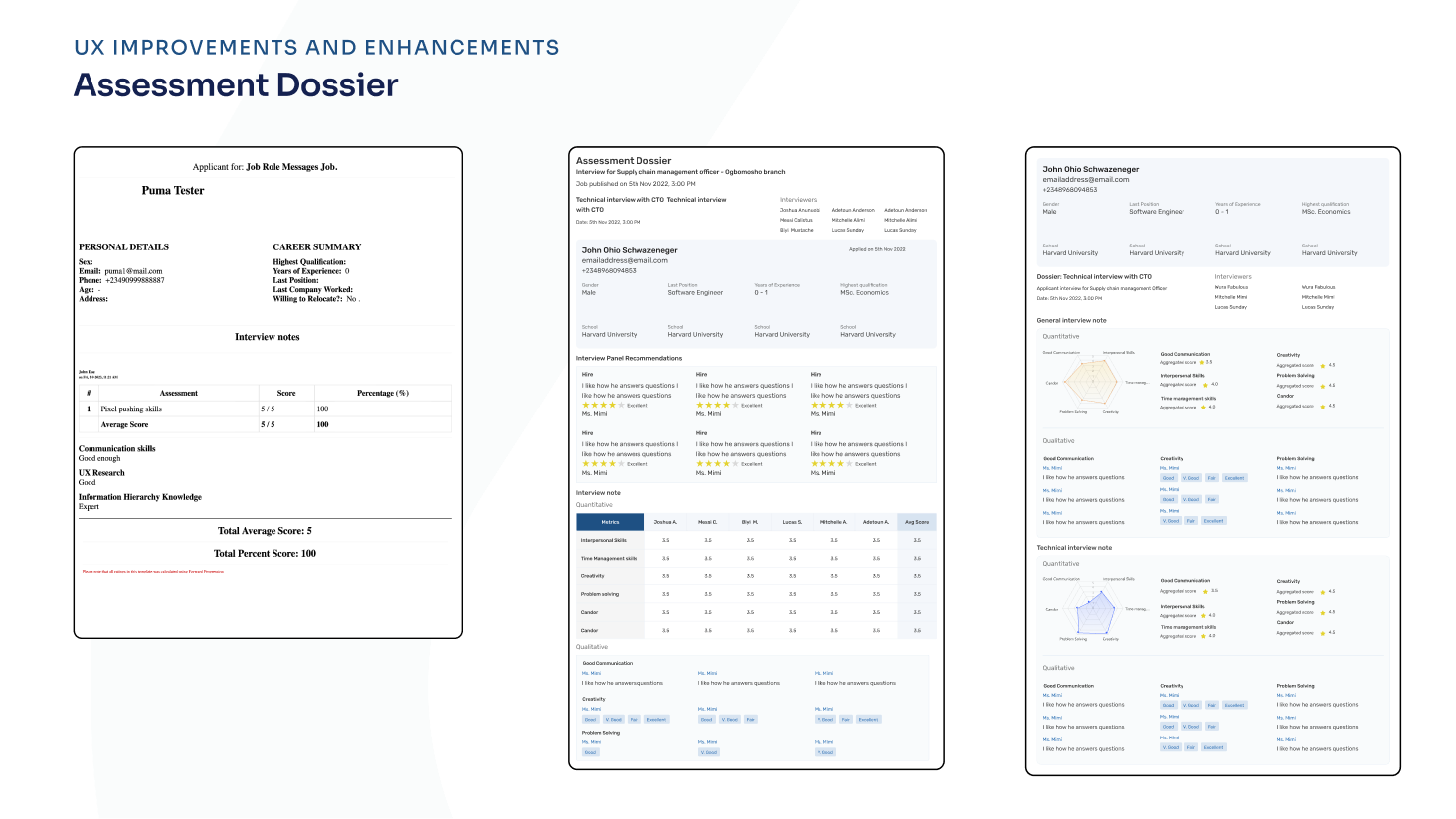
Figure 03 — Introduced structured evaluation workflows that improved decision quality, reduced recruiter context switching, and brought hiring decisions back inside the system.
- ·Consolidated fragmented recruiter actions into a single decision surface — direct response to context-switching patterns generating mid-task abandonment in FullStory sessions
- ·Scoring rubric developed collaboratively with HR SMEs, not imposed from the design side — adoption required co-authorship, not mandate
Phase IV — Scale
RBAC configuration was too rigid for multi-entity enterprise clients. Every new onboarding required CS workarounds, creating a ceiling on how large the platform could sell.
Permission model redesigned to support role inheritance, entity-level overrides, and self-service admin assignment.
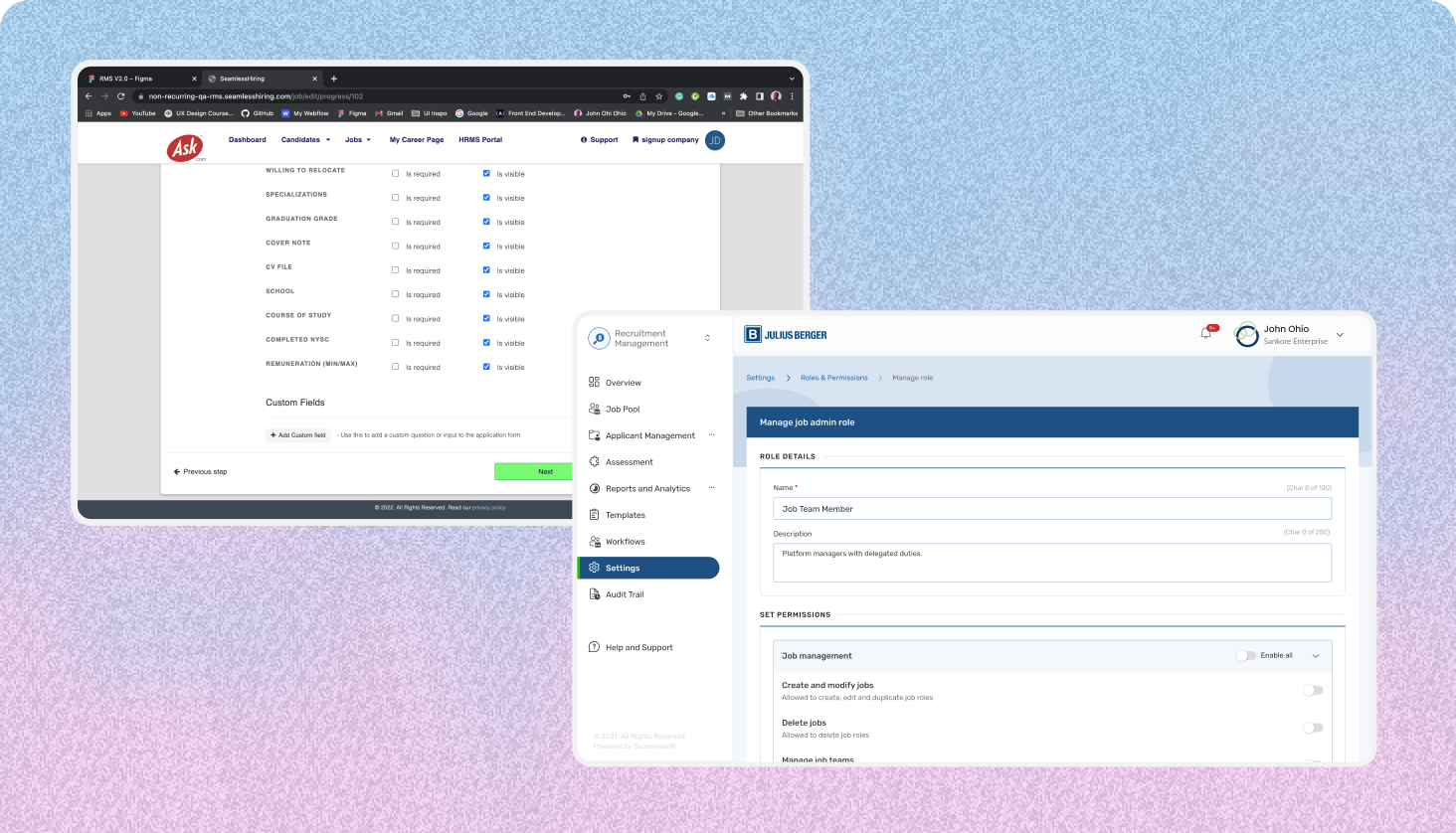
Figure 04 — Permission patterns transformed access control from operational friction into scalable enterprise administration — removing the CS dependency from every new client onboarding.
- ·Role inheritance model chosen over flat permissions — supports multi-entity clients without permission explosion
- ·Self-service admin assignment eliminated a recurring CS ticket category that scaled with every new enterprise onboarding
Phase V — Augment
Recruiters were spending disproportionate time on manual CV screening — a high-volume, low-judgment task the redesigned system was now stable enough to augment.
AI-assisted recommendations were introduced in the final phase to support recruiter evaluation and shortlisting — augmenting structured recruiter decision-making rather than replacing it.
AI was designed as decision support, not decision authority.
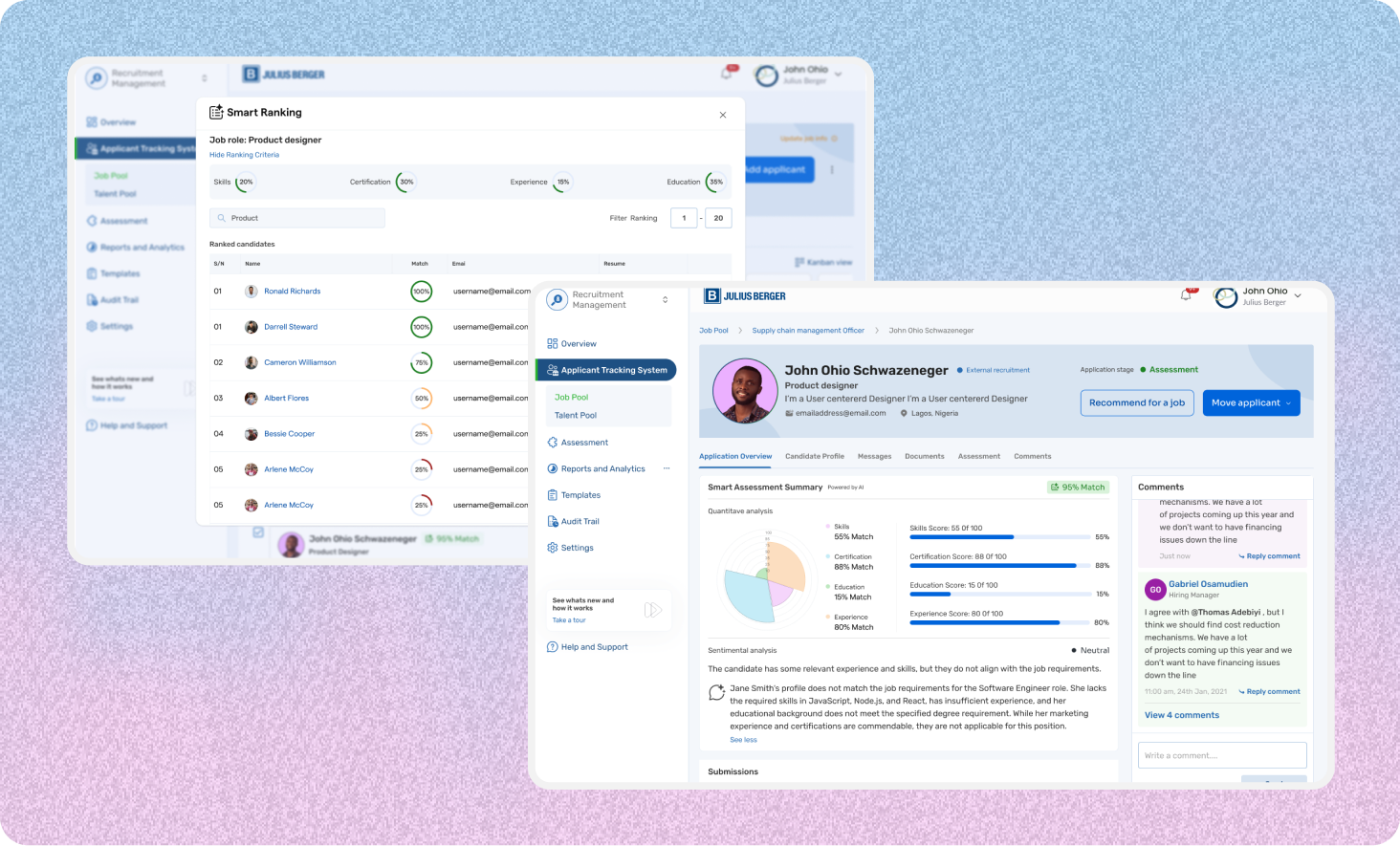
Figure 05 — Pilot validation of AI-assisted candidate ranking and explainable evaluation within live recruitment workflows — the Smart Assessment Summary surfaces structured scoring rationale and sentiment signals for recruiter review.
- ·AI introduced in Phase V deliberately — augmenting a workflow only after trust in the core system was re-established. AI on top of a broken process inherits the broken process's failure modes
- ·Ranking logic calibrated against client hiring criteria rather than generic resume heuristics
- ·Ranking surfaces signal, shortlisting remains recruiter-owned — boundary set by design, not by default
- ·AI outputs were surfaced as explainable recommendations rather than opaque scores, preserving recruiter agency while improving decision signal quality — the interface showed reasoning, not just results
Those structural fixes restored workflow trust first — the judgments below explain what we traded off to get there.
04 Strategic Decisions
Judgment, trade-offs, and outcomes
Five choices that shaped the programme — alternatives considered, costs accepted, and what each unlocked.
05 Outcomes
Results across four dimensions
RMS transitioned from a ₦150k one-time add-on into a recurring product (~₦200k/month), while international pricing increased from $200 to up to $500/month depending on enterprise scale.
"The redesign transformed SeamlessHiring from a functional but frustrating tool into a scalable enterprise product."
— Femisayo Olofintila, Head of Product Management, SeamlessHR
Promotional overview of SeamlessHiring 2.0.
06 What This Unlocked
Established the phased redesign model applied to every subsequent enterprise product — including IBEDC and FetsProza.
Seeded the organizational case for Seamkit. SeamlessHiring was the first product migrated to the unified design system, and the proof-of-concept that made cross-team adoption credible.
Helped reposition design from delivery support into a pricing and retention lever — changing how sales framed the product category.
Defined how I approach AI integration: as a Phase V decision, not a Phase I feature.