Funds and Electronic Transfer Solutions (Fets) · Nigeria · 2024 · 8 months
FetsProza
Enterprise operating platform for FETS.
Designing the operating platform that unified a fragmented payment ecosystem.
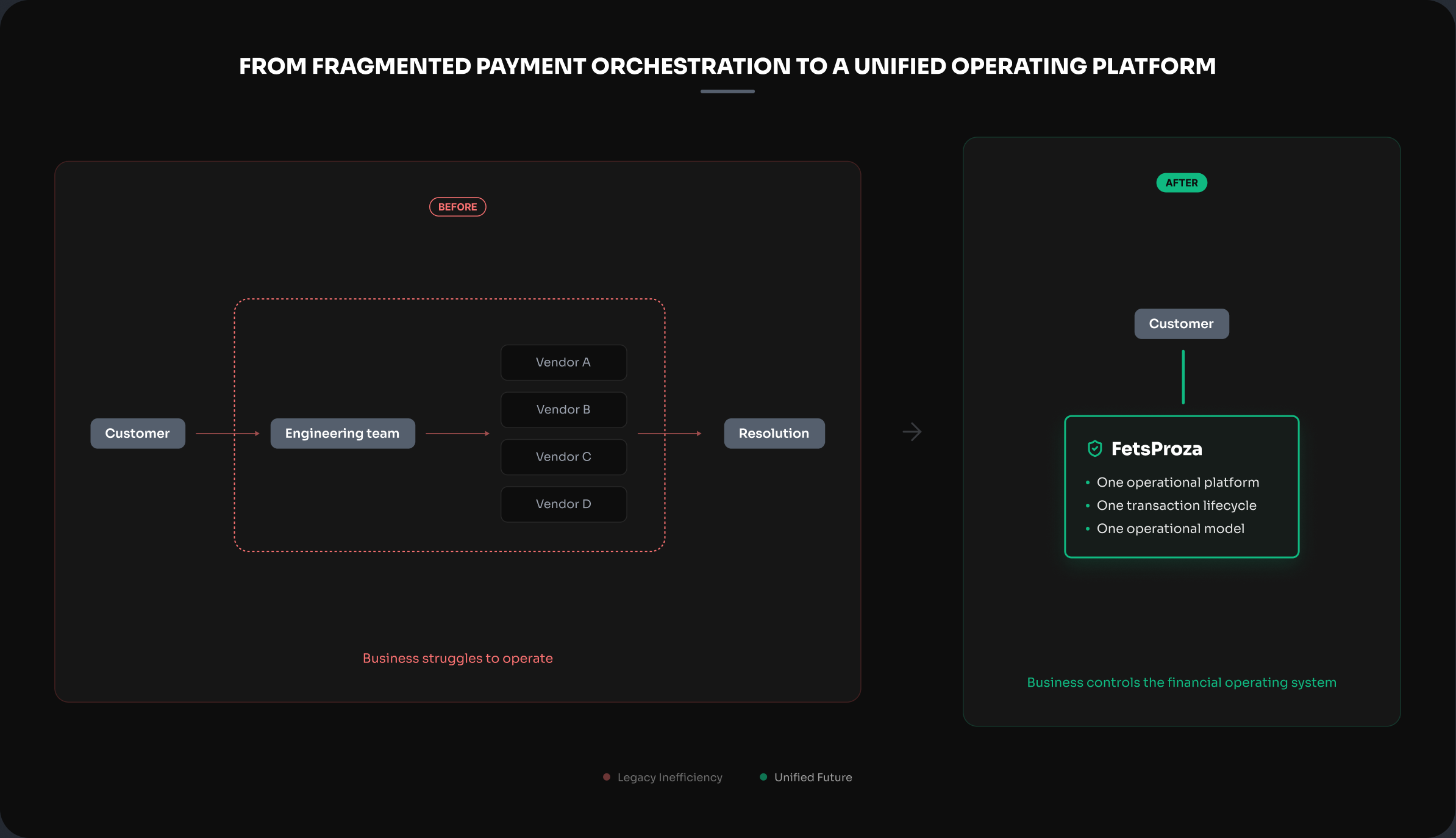
FETS wasn't constrained by missing payment capabilities—it was constrained by fragmented infrastructure. Every customer transaction depended on multiple vendor-managed systems working together, making failures expensive, difficult to diagnose, and increasingly costly to operate.
FetsProza became the operational platform that unified those services into a single transaction lifecycle. With no dedicated Product Manager, I led product definition alongside the CTO, translating distributed financial infrastructure into workflows business teams could operate at scale.
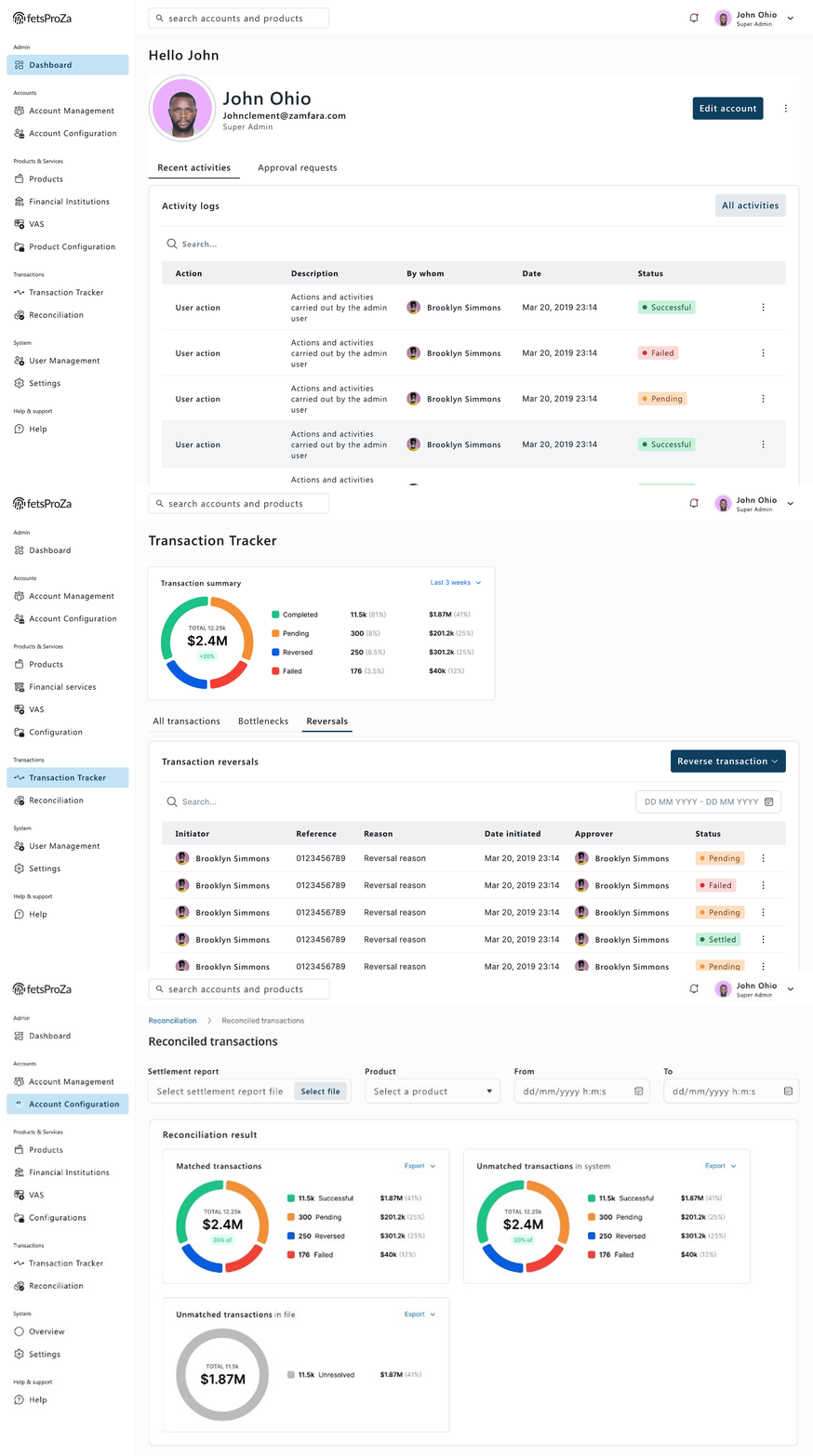
Operating model and engineering trade-off alignment with CTO
Transaction monitoring and reconciliation flow design
CTO-level product and infrastructure decisions
Domain expert validation (financial compliance)
- ·Configuration over engineering
- ·Visibility over investigation
- ·Dense doesn't mean difficult
02 Challenge
Why fragmented infrastructure blocked growth
Behind every customer transaction were four to five independent systems built by different vendors. A failed handshake could debit customers without delivering service, break reconciliation across platforms, and inflate operational cost with every new integration.
The challenge wasn't designing payment experiences or replacing software—it was coordinating how an entire financial business operated through one platform.
What blocked scale
Four constraints the fragmented stack created for the business.
Business changes queued behind engineering — every product update waited on development capacity.
Operators could not diagnose transaction failures without escalating to engineering.
Settlement and reconciliation required manual coordination across disconnected tools.
Partner onboarding and role administration did not scale with the agent network.
The redesign ultimately spanned eleven connected workflows. Rather than documenting every screen, this case study focuses on the four decisions that fundamentally changed how the business operated.
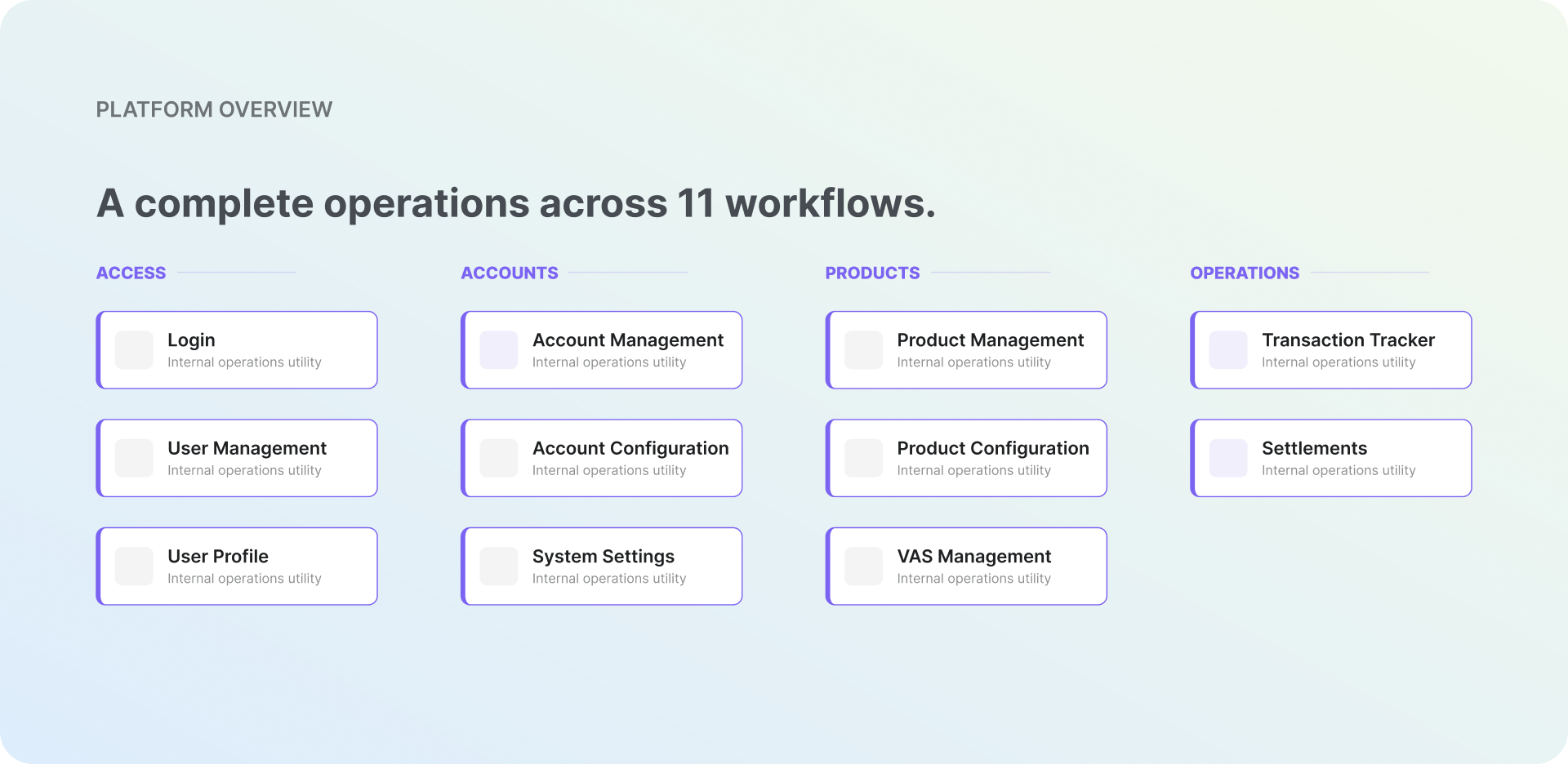
Figure 00 — Login · Users · Accounts · Products · Configuration · Transactions · Settlements
03 Strategy
Principles for unifying the operating model
Rather than continuing to integrate independent platforms, we designed FetsProza around a unified orchestration model. Every operational workflow — from configuration to reconciliation — would operate on a single source of transaction truth.
Configuration over engineering. Business-team ownership of product setup over engineering throughput — longer guided forms to prevent costly production mistakes.
Visibility over investigation. Real-time transaction health at the point of work — not simplified dashboards that hide daily operator work.
Dense doesn't mean difficult. Scan-friendly density over stripped-down views that force extra navigation.
Consistency across roles. One operating model across workflows — not eleven disconnected modules.
04 Decisions
The decisions that changed how the business operated
Four judgments that changed how the business ran — not what we shipped.
Enable business teams to configure products independently
Business configuration depended on engineering for routine changes.
Give business teams governed self-service configuration with validation and guardrails — rejecting minimal forms that failed in production.
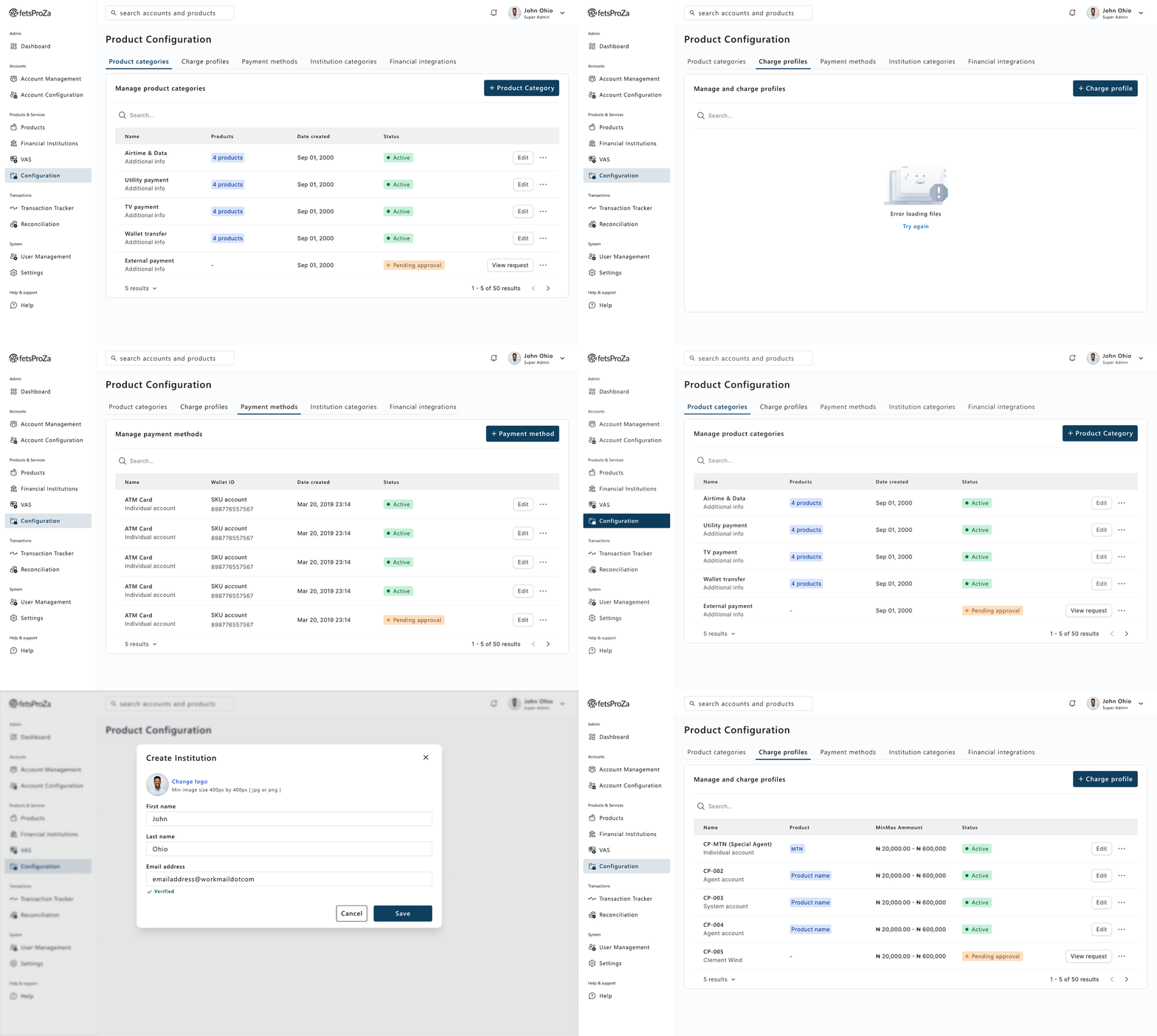
Figure 01
Routine configuration became a business capability instead of an engineering dependency.
Give operators real-time visibility into transaction health
Stuck and failed transactions required engineering escalation.
Put transaction health and re-query where operators work — rejecting simplified views that hid the density they scan daily.
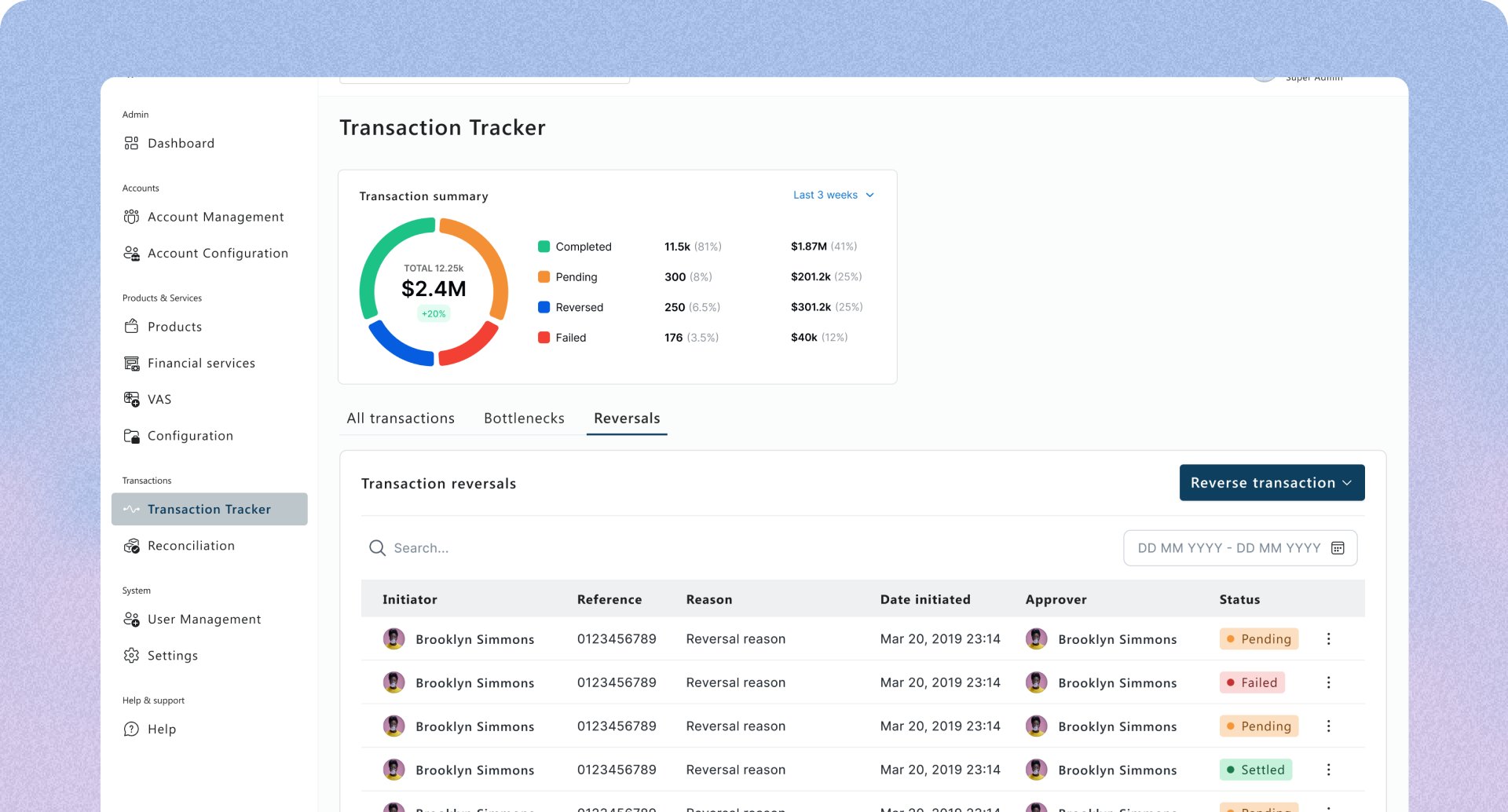
Figure 02
Transaction investigation moved from engineering queues to frontline operations.
Make reconciliation part of daily operations
Closing the books required coordinating across teams and tools.
Embed matched and unmatched flows into daily operations — rejecting batch reconciliation at period close.
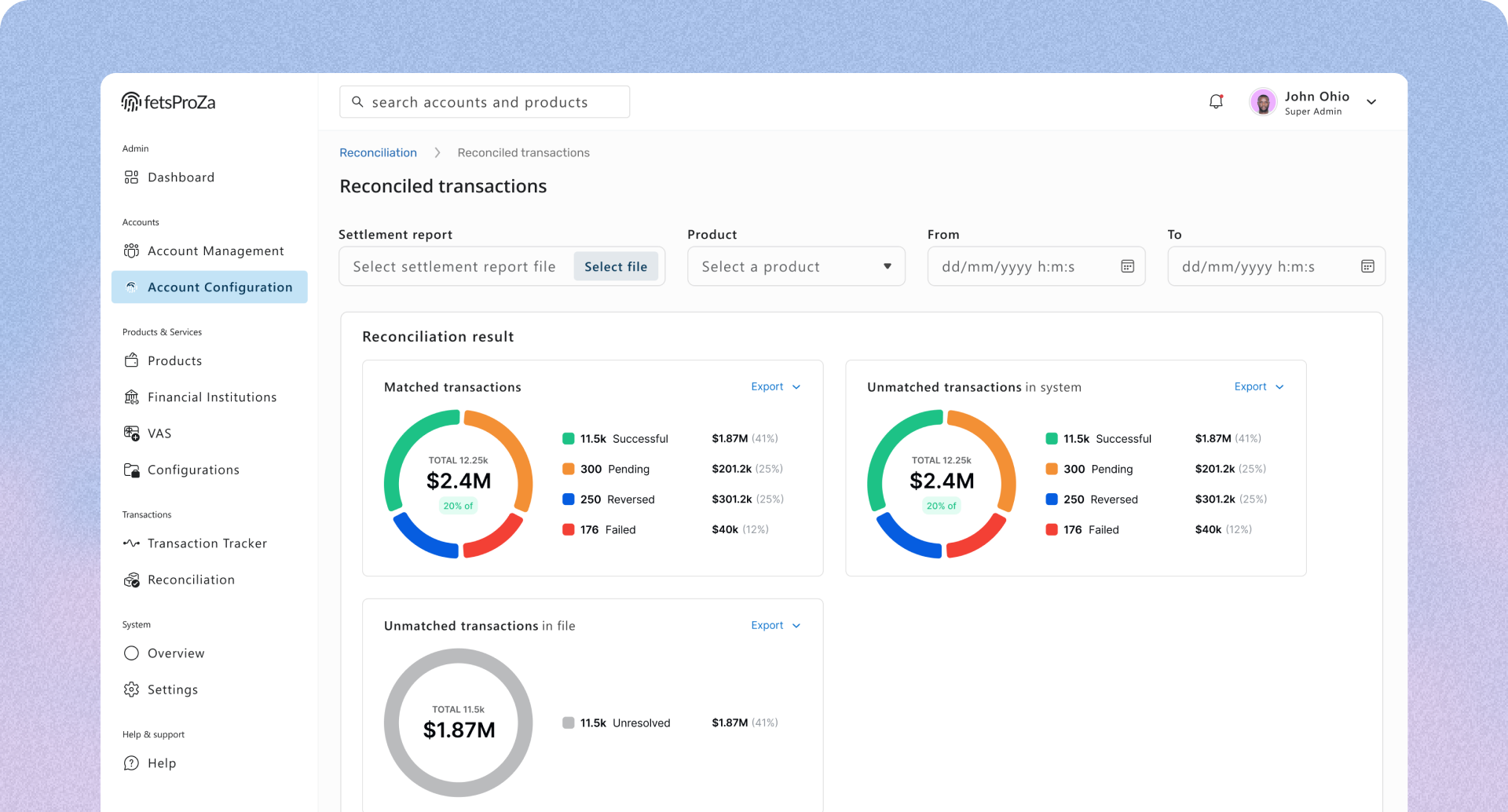
Figure 03
Reconciliation shifted from period-close coordination to a continuous operational capability.
Create a scalable operating model for administration
Partner onboarding broke down as the agent network grew.
Standardize roles and guided onboarding for the network — rejecting feature breadth that added training burden.
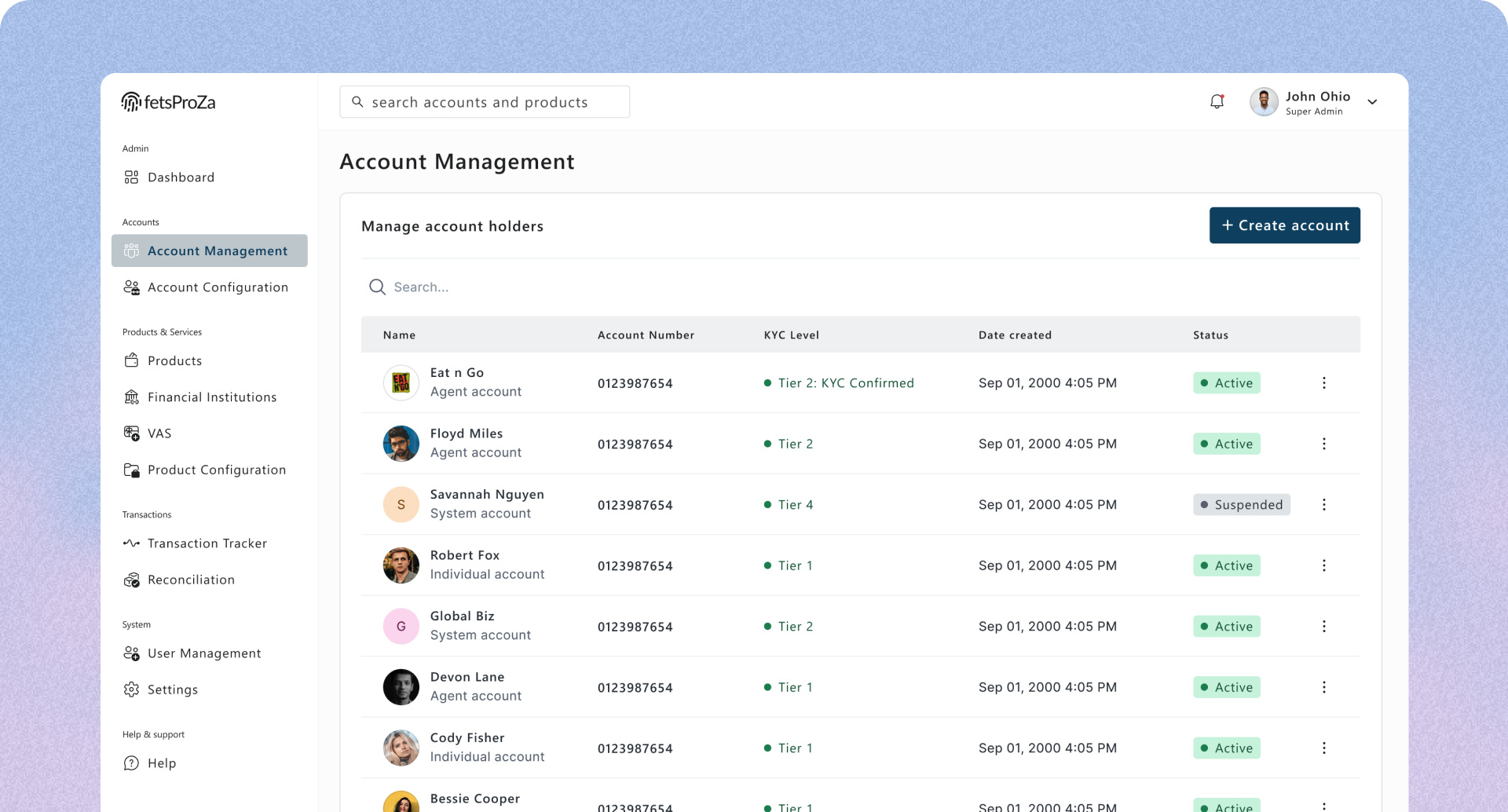
Figure 04
Partner onboarding scaled through one administration model instead of ad hoc process sprawl.
05 Walkthrough
Seeing the redesign in practice
The four decisions above changed how operators configured, monitored, and managed the platform. The walkthrough below brings those decisions together, showing how operational teams could move from understanding transaction health to investigating issues and monitoring business performance—all within a single workspace, without relying on engineering support.
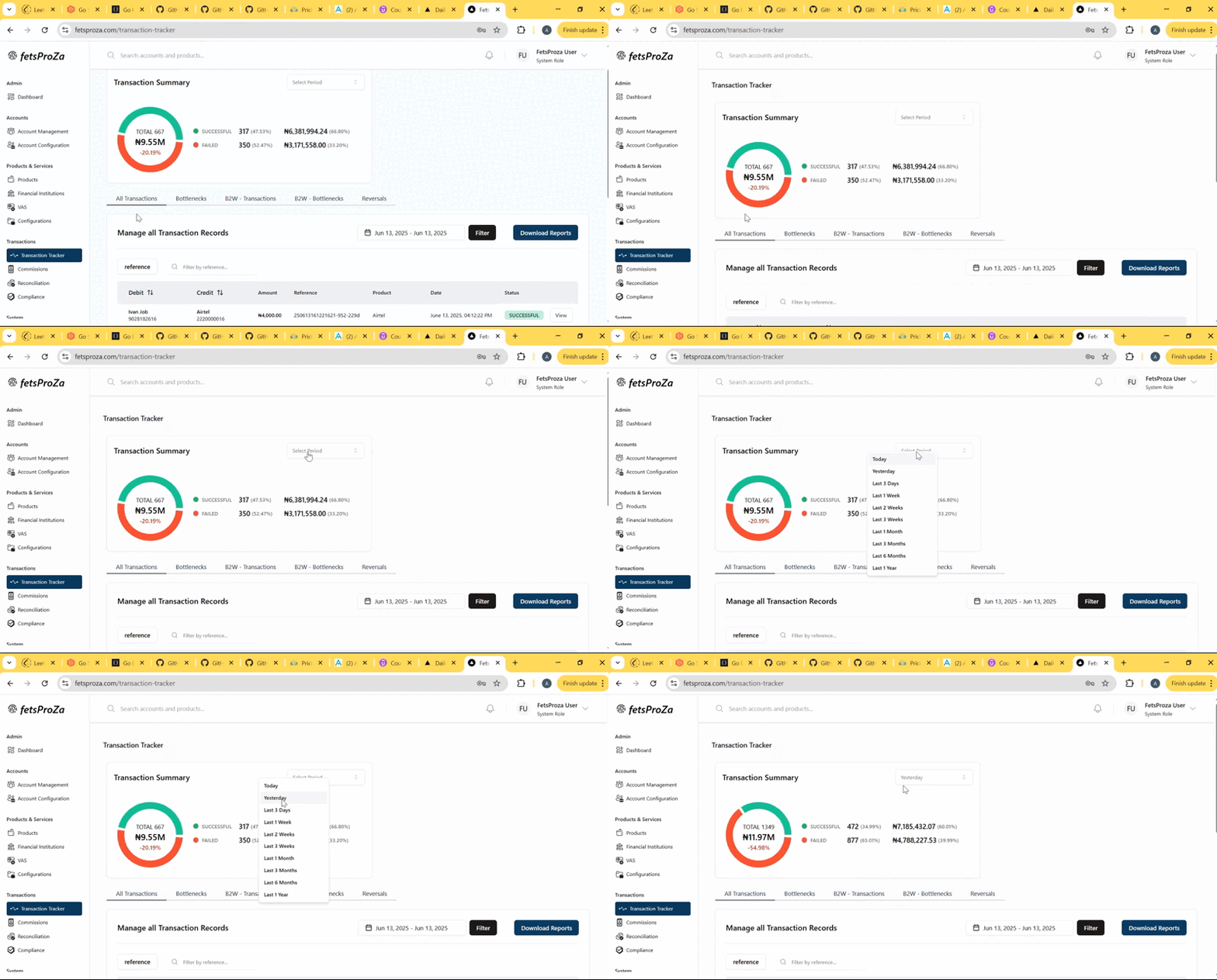
Operators could move from transaction health to investigation and operational oversight without switching tools or involving engineering.
06 Impact
What improved — and what it unlocked
FETS replaced fragmented vendor orchestration with a unified operating platform—cutting $1M+ in annual vendor cost while improving operational reliability and enabling business teams to own day-to-day financial operations.
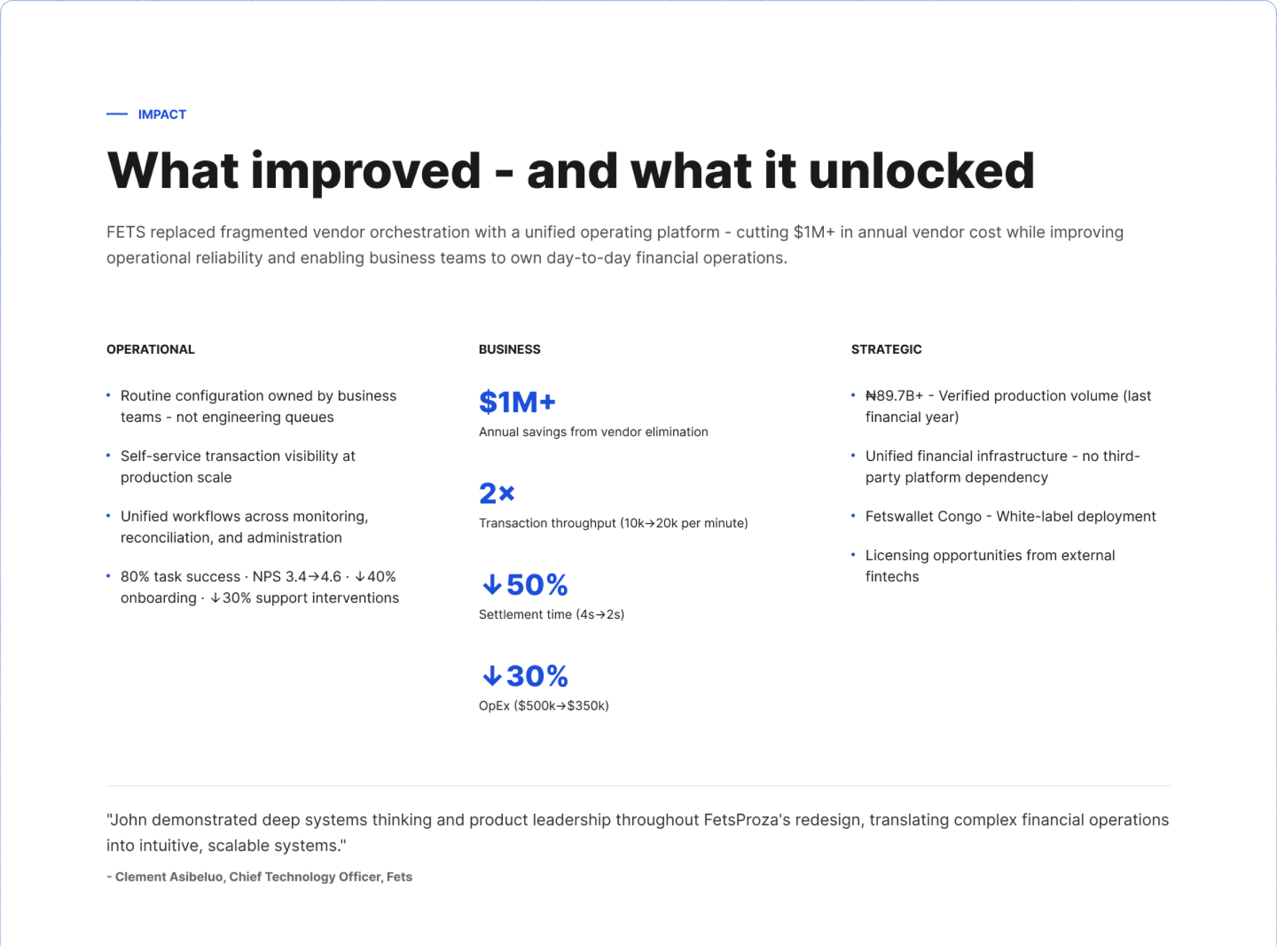
Together, these improvements enabled FETS to evolve its financial operations on a unified enterprise platform rather than depend on fragmented vendor systems.
07 Reflection
What this changed about how I design at scale
The hardest work wasn't designing interfaces—it was understanding how the business actually operated before deciding what to simplify, standardize, or remove.
This project taught me that enterprise design isn't about making complex systems look simple. It's about making complex businesses operate simply.
Since then, I've approached every enterprise product the same way: designing operational models, not just interfaces.